Whisper-Quiet Luxury in Your Studio
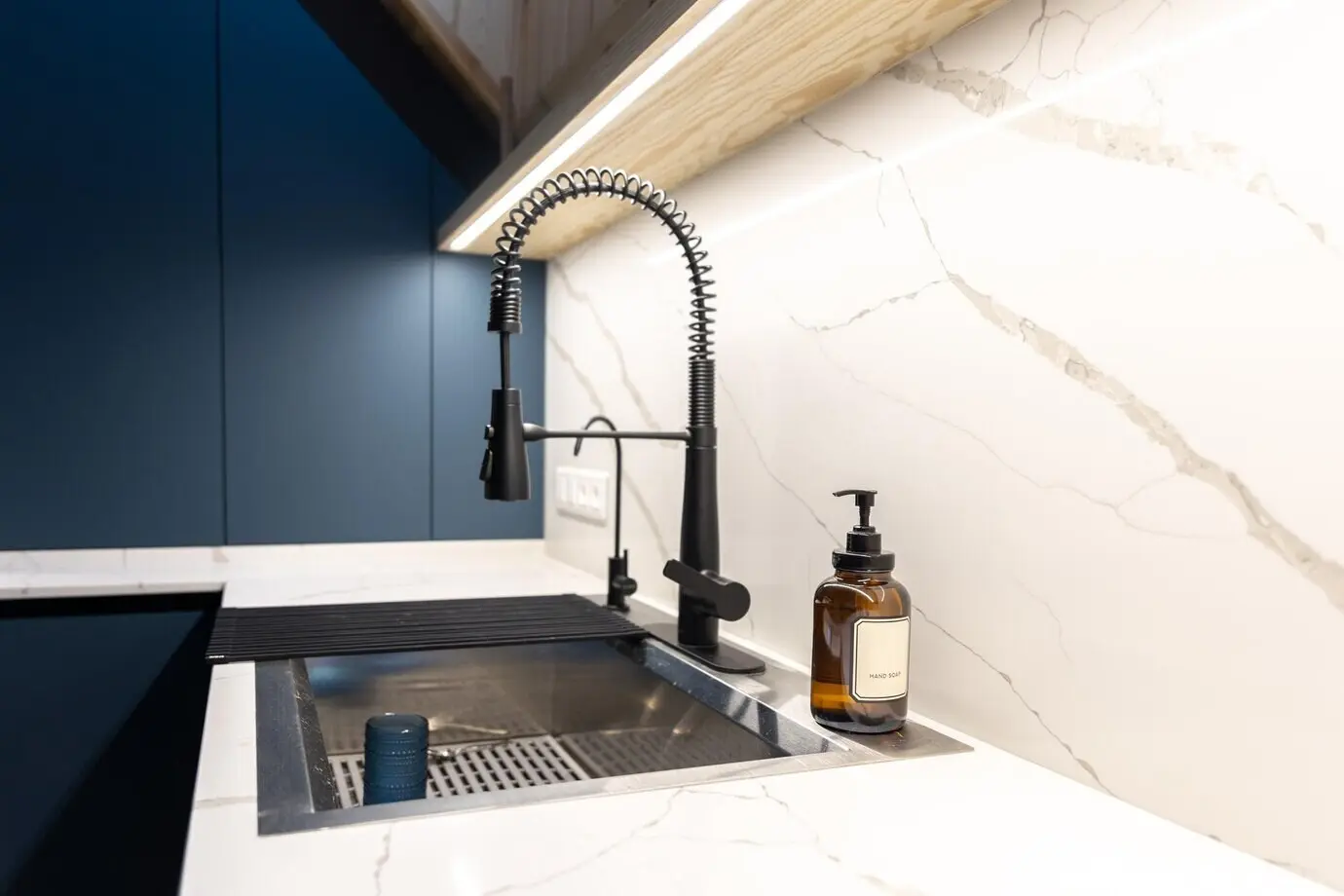
Step inside a sanctuary where city noise melts away and every detail feels indulgent. Today we explore soundproofing strategies for peaceful, luxe studio living, blending proven building science with refined design. Discover practical upgrades, from airtight seals to decoupled assemblies and plush finishes, that soften footsteps, tame traffic, and hush humming appliances, so your compact space feels expansive, deeply restful, and elegantly composed—morning to midnight.

The Calm Starts with Science

Real serenity begins by separating what keeps sound from entering or leaving from what makes sound inside feel pleasant. Soundproofing blocks transmission using mass, airtightness, and decoupling; acoustic treatment shapes reflections using absorption and diffusion. Learn STC and IIC ratings, why low-frequency noise is stubborn, and how layered strategies beat single fixes, especially in compact studios pursuing a couture-level, hotel-grade quiet.

Silence at the Edges: Seals, Gaps, and Glazing

Noise sneaks through the smallest cracks. Treat your studio like a luxury suitcase: tightly closed, beautifully lined. Add high-quality perimeter door seals, an automatic drop seal, a solid-core slab, and acoustic caulk at wall joints. Upgrade glazing or add an interior panel to tame traffic and sirens without dimming daylight.

Doors That Disappear Sonically

A dense, well-latched, gasketed door can add double-digit reductions compared with a hollow interior slab. Pair it with a threshold drop seal and continuous stop gaskets. If possible, create a small entry vestibule, turning one noisy opening into a quiet, layered transition.

Windows That Keep the View, Not the Noise

Elegance loves daylight, and silence loves separation. Secondary interior glazing, laminated glass, and deep, well-sealed frames curb outside commotion. Heavier curtains add style and extra attenuation. Remember airtightness: even a tiny unsealed weep hole can undermine expensive glass and invite nighttime sirens back in.

Sealant, Backer Rod, and Patience

Professional results come from meticulous prep. Use backer rod to support flexible acoustic sealant, then caulk every perimeter joint, outlet, and baseboard. One uninterrupted bead prevents flanking leaks. Finish cleanly, repaint, and you have a discreet line of defense that earns its keep daily.

Add Mass, Then Decouple: The Gold Standard

Layering Gypsum with Damping

Two layers of gypsum bonded with viscoelastic compound convert vibration into heat, trimming peaks across problem frequencies. Stagger seams, seal edges, and screw thoughtfully to avoid short-circuiting performance. The result is solid, poised, and surprisingly transformative in small, high-end studios.

Resilient Channels Done Right

Installed correctly, resilient channels create a springy break between framing and finish, helping walls flex without transmitting energy. Keep screws out of studs, map every run, and maintain clearances. A misplaced fastener can defeat the system, so mark, measure, and move deliberately.

When Double-Stud Walls Make Sense

Where footprint allows, separated studs with an air gap deliver dramatic isolation, especially beside lively hallways or shared bedrooms. Pair with heavy sheathing and careful sealing. It is a boutique-level investment that pays comfort dividends every late night and early morning.

Underlayments That Earn Their Keep

Cork, rubber, and high-density foam each have strengths. Look for tested impact ratings, compressive strength, and longevity under furniture. Pair with a rigid layer for stability. Add sumptuous rugs and pads where heels land, creating softness you feel and silence you appreciate.

Floating Floors, Real Results

A true float isolates the finished surface from the subfloor using pads or mats and perimeter gaps filled with flexible sealant. This prevents hard coupling. Combine with dense panels for mass, then finish with beautiful planks, stone, or carpet tiles that look lavish.

Hushed Comfort: HVAC, Appliances, and Electrical

Mechanical systems can betray otherwise careful work. Choose quiet fans, isolate equipment on vibration pads, and line ducts where codes allow. Flexible connectors and long-radius bends reduce turbulence. Thoughtful circuits and dimmers avoid hum, letting your studio purr instead of buzz.

Design That Looks Expensive and Sounds Quiet
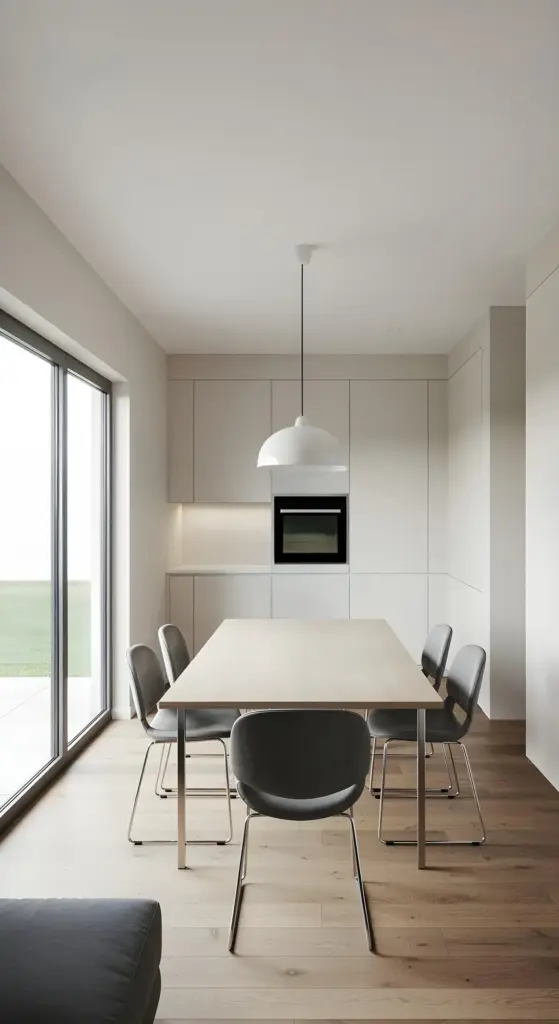
Luxury shows up in textures, proportions, and restraint. Use layered textiles, upholstered panels, bookcase diffusion, and heavyweight drapery to calm reflections, then add art that absorbs rather than bounces. The result is plush, modern, and remarkably tranquil. Share your favorite hush-making upgrades, ask questions about tricky corners, and subscribe for weekly, field-tested guidance that keeps your studio feeling composed, indulgent, and genuinely peaceful.
Zarohafohozahoxixi
Privacy Overview

This website uses cookies so that we can provide you with the best user experience possible. Cookie information is stored in your browser and performs functions such as recognising you when you return to our website and helping our team to understand which sections of the website you find most interesting and useful.