Quiet Brilliance in Luxe Small Spaces
Start with Atmosphere: Ambient Light that Breathes
Ceiling as a Lantern
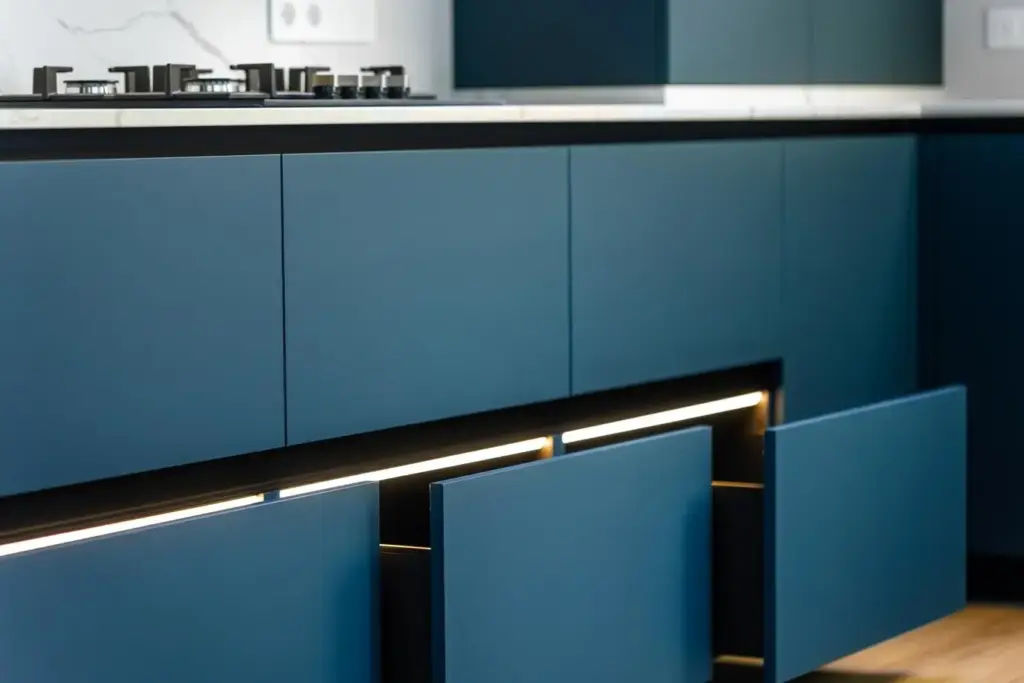
Treat the ceiling as a luminous surface, not just a boundary. A recessed cove or perimeter slot with continuous, high-CRI LED tape can bathe plaster in buttery light, making a 2.5-meter height feel generous. Keep color temperature around 2700–3000K for evening calm, reserve brighter scenes for daytime clarity, and avoid visible dots or harsh scallops that signal utilitarian glare instead of composed luxury.
Perimeter Glow Without Clutter
In micro-interiors, edges define volume. A gentle halo along walls softens corners and visually stretches boundaries. Choose fixtures with tight profiles, magnetic trim, or knife-edge details that disappear. Layer light indirectly to keep sightlines clean. Use dimming curves that glide, not jump, so transitions feel choreographed. Share your preferred profiles or questions, and we’ll test their performance in our next detailed mockup and measurement session.
Soft Shadows, Not Darkness
Shadow is essential for depth, but darkness can crush small rooms. Balance reflectance values—lighter ceilings, mid-tone walls, textured furnishings—to create gradation without gloom. Place sources so shadows feather, never slice. Select lenses that diffuse edges rather than produce hard rings. This makes compact luxury feel intentional, not cave-like, and primes the stage for delicate accents that add personality while preserving a meditative mood.
Purposeful Beams: Task Lighting with Grace
Kitchen Precision in Half a Meter
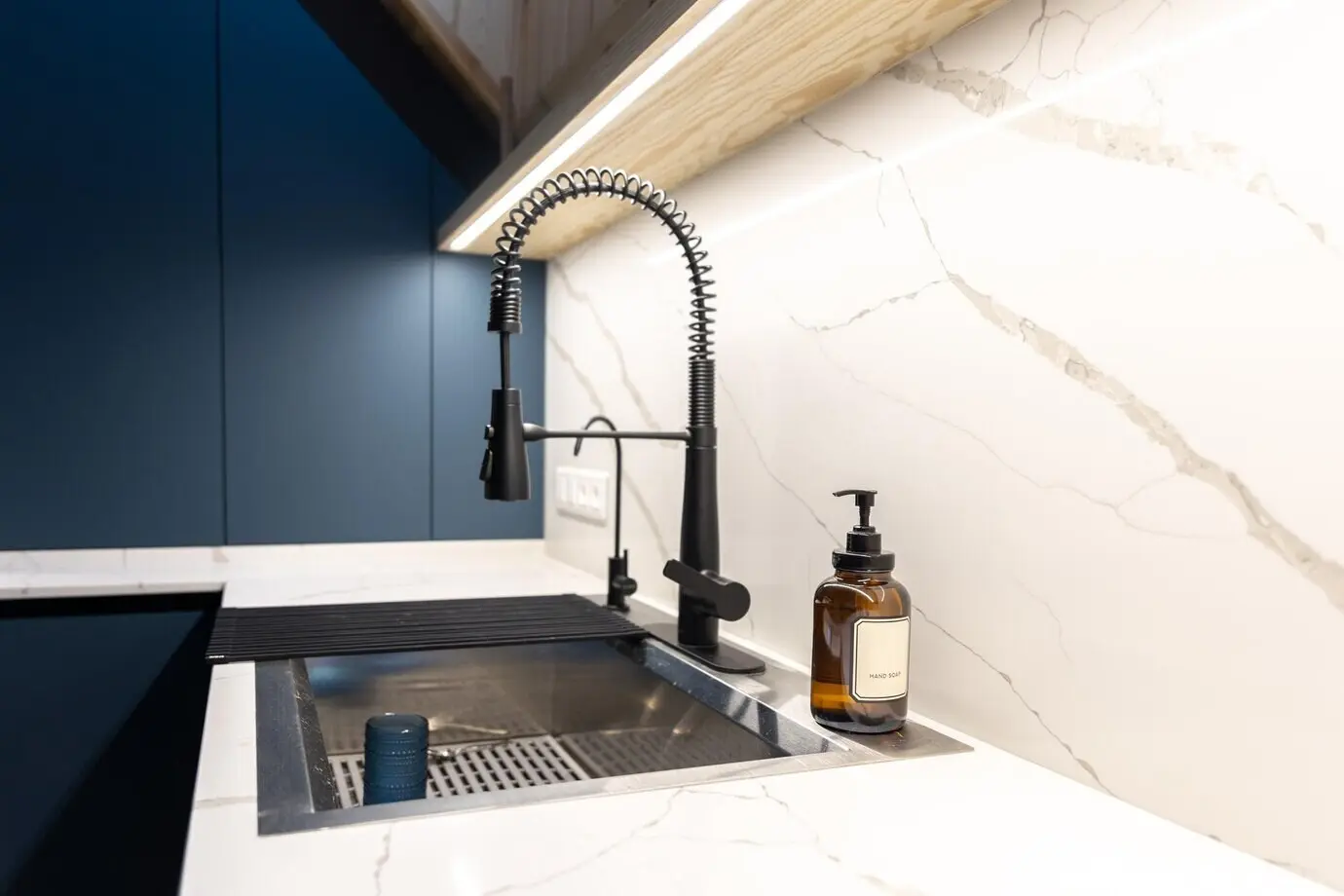
A compact galley needs bright counters without blinding diners or washing cabinet faces. Undershelf LEDs with asymmetric optics send light forward, not backward. Specify high R9 for food tones and a frosted cover to eliminate diode sparkle. Keep switches reachable near appliance touchpoints. If you meal-prep at night, program a warmer scene that reduces alertness while preserving knife-edge clarity and color accuracy for safe, satisfying cooking.
A Desk that Disappears at Night
For a fold-down workspace, a slim arm lamp with glare control becomes the hero. Choose a fixture with a tight cutoff and memory dimming so you return to preferred levels instantly. Integrate a discreet outlet module, cable routing, and wireless control linked to ambient scenes. When work ends, a single tap fades to an evening composition, letting the desk recede while ambient layers restore the room’s quiet, restorative character.
Vanity Light that Flatters, Not Flattens
Even in a micro-bath, face-friendly lighting makes mornings humane. Vertical sources flanking the mirror minimize shadows under eyes and chin. Avoid overhead-only solutions that hollow features. Select 90+ CRI and consistent CCT with dim-to-warm capabilities for late routines. Frosted glass or prismatic diffusers soften hotspots without dropping needed lux. The result is confidence in color, comfortable grooming, and a spa-level calm inside the tiniest retreat imaginable.
Character and Drama: Accent Layers that Whisper
Scale, Materials, and Color: Getting the Details Right
01
Miniature Fixtures, Monumental Effect
Downlights under 50 millimeters, trimless profiles, and micro-tracks respect low ceilings while providing professional control. Prioritize deep regress, honeycomb louvers, and precise optics to tame glare. Match fixture finishes to ceiling tones for visual quiet. Your eye perceives the glow, not the hardware. Suddenly, the room reads as composed architecture, not a catalog of parts, and every beam feels like it’s born from the structure itself.
02
Reflectance Rule of Thirds
Try this balancing trick: a lighter ceiling, mid-tone walls, and richer furnishings share the light harmoniously. High-reflectance ceilings bounce ambient light, walls carry softness, and darker textiles anchor weight. This keeps ambient levels efficient and accents meaningful. Measure, don’t guess, and adjust finishes before fixtures arrive. Share your palette, and we’ll suggest target reflectance values to help your lighting plan shine without unnecessary lumens or energy.
03
Color Quality You Can Feel
Numbers matter when calm is the goal. CRI 90+ is a baseline; high R9 makes wood, leather, and skin look alive without harshness. Choose consistent binning to avoid patchwork whites. Consider warm-dim technologies for evening rituals, drifting toward candlelike 2200K while preserving color integrity. The result is a sanctuary that looks refined in photos yet feels even better in person, quietly flattering everyone who enters.

Intelligent Control: Scenes that Restore Balance
Layouts for Tight Plans: Real Rooms, Real Numbers
All Rights Reserved.